• 8000 BCE to 600 BCE
    • Weapons>
      • Iron weapons and compound bows
    • Monumental architecture and urban planning>
      • Ziggurats
      • Pyramids
      • Temples
      • Defensive Walls
      • Streets and Roads
      • Sewage and Water systems
    • Modes of Transportation>
      • Chariots and Horseback riding
    • Arts and Artisanship>
      • Sculpture
      • Painting
      • Wall Decorations
      • Elaborate weaving
    • Systems of Record Keeping>
      • Cuneiform
      • Hieroglyphs
      • Pictographs
      • Alphabets
      • Quipu
    • Literature>
      • Rig Veda
      • The Epic of Gilgamesh
      • The Book of the Dead
  • The Development and Codification of Religious and Cultural Traditions
    • Daoism
    • Ancestor Veneration
    • Literature and Drama
    • Distinctive Architectural styles
  • The Development of States and Empires
    • Persian Empires
    • Regions where rulers created administrative institutions
    • The Great Classical Cities
    • Food Production Methods and Rewarding Elite for their Loyalty
    • Environmental Damage
    • Frontier Problems
  • PERSIAN Charts
    • 500 C.E. to 500 B.C.E.>
      • East Asia
      • Middle East
      • Europe
      • South Asia
    • 500 C.E to 1500 C.E>
      • East Asia
      • South Asia
      • Western Europe
      • Africa
    • 1500 C.E. to 1750 C.E.>
      • East Asia
      • Europe
      • South Asia
      • Middle East
    • 1750 C.E. to 1914 C.E.>
      • East Asia
      • Middle East
      • Latin America
      • Western Europe
    • 1914 C.E. to 2014>
      • East Asia
      • North America
      • Latin America
      • Western Europe
Mr.Barton's AP World History
The most distinctive type of ancient Greek architecture is the temple. Normally, A Greek temple served as the home of an individual god, and contained a statue of that appropriate god. These Temples were not meant for gatherings. They were created to serve as homes for the individual god or goddess who protected the community. The Greeks put the needs of the gods as their first priority.
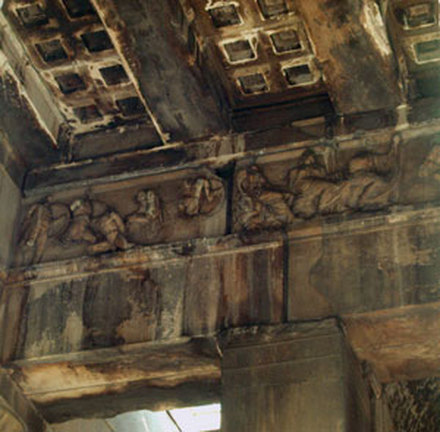
The large temple buildings were made of stone with the intention that they would last forever. The building’s walls were covered with “scenes” that were carved onto the stone and then painted over with bright colors. These particular scenes showed the priest fighting in battles and carrying out rituals with the gods and goddesses.
Picture
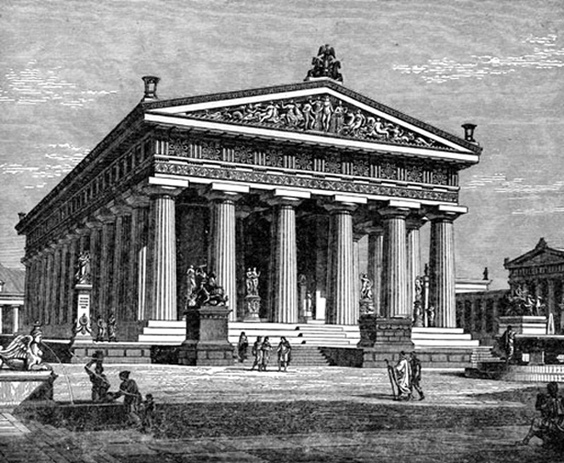
Usually the four corners of the temples were decorated with acroteria, which were statues made out of light-weight terracotta. These decoration were plastered along the gables of the walls.
Picture
The usual Greek temple design emerged through the “Megaron plan”. In this plan, the temple’s eaves were extended and were held by rows of columns that stretched around the perimeter of the building. This line of columns is called a “peristyle”. Such temples that contained a peristyle, were called “peripterals”.
http://www.odysseyadventures.ca/articles/greektemple/greek_temple.htm
Lauren Mlouhi
Powered by Create your own unique website with customizable templates.
